Florida Home Insurance Guide
Wind Mitigation vs 4-Point vs Roof Inspection
Understand which reports may affect discounts, roof eligibility, and underwriting before comparing homeowners insurance options in Port St Lucie and across Florida.
Serving Port St. Lucie, Stuart & Florida’s Treasure Coast
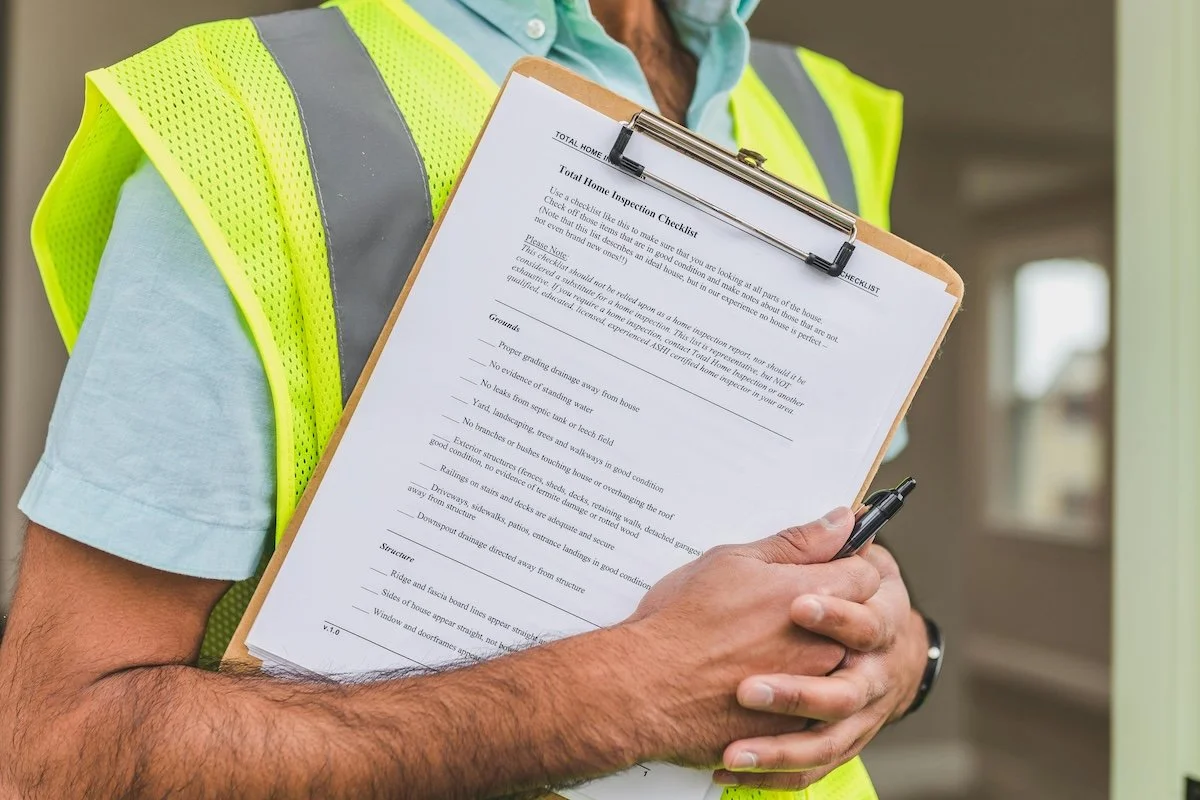
If you are shopping for homeowners insurance in Florida, inspection terms can blur together fast. A wind mitigation inspection, a 4-point inspection, and a roof inspection can all affect the quoting process, but they are not interchangeable. The quick version is this: wind mitigation is mainly about storm-hardening credits, a 4-point inspection is mainly about underwriting the overall condition of an older home, and a roof inspection is mainly about documenting roof condition and remaining useful life.
Why these inspections get mixed up
These reports often show up at the same point in the insurance process, especially in Florida. They can all involve the roof in some way, they can all affect whether a home qualifies for a policy, and they are often ordered around the same time. That is why homeowners are often unsure whether they need one report, two reports, or all three.
What a wind mitigation inspection does
A wind mitigation inspection documents the features of your home that help reduce wind damage. In Florida, the state mitigation form is managed by OIR, and the current form is valid for up to five years as long as the home has not materially changed and the form remains accurate. The point of this inspection is not to review every major system in the house. Its main job is to document hurricane resistant features that may help you qualify for available wind-mitigation credits. Eligible homeowners should also look at the My Safe Florida Home program, which offers free wind-mitigation inspections and grant assistance for approved improvements. Eligible homeowners may also want to review Florida’s official wind mitigation resources for additional details on inspections and available programs.
What a 4-point inspection does
A 4-point inspection is different. It reviews four major systems: the roof, electrical, plumbing, and HVAC. For Citizens new personal residential business, it is mandatory for homes more than 20 years old, and the report generally must be dated within the last 12 months. In practical terms, this report is usually more about eligibility than discounts. It helps a carrier decide whether the major systems are in acceptable condition to write or continue the policy.
What a roof inspection does
A roof inspection focuses only on the roof’s condition, visible wear, and estimated remaining life. In Florida, roof age can affect eligibility, but many carriers now look more closely at condition. For older roofs, insurers may request an inspection to confirm remaining useful life before making a decision. Requirements can vary by carrier, so it’s important to review your specific situation. Roof age matters more on older homes than almost any other factor, which is why it comes up constantly with Palm City homeowners in the original 1980s and 90s inventory.
Which report should you start with?
If you are trying to qualify for wind-related credits or document storm-resistant features, start with a wind mitigation inspection. If your home is older and the carrier wants to review the major systems, a 4-point inspection is the likely first step. If the issue is specifically roof age or remaining useful life, then a roof inspection is the right report to discuss first. In many real-world Florida cases, an older home may need a 4-point inspection for underwriting and a wind mitigation inspection for credits, while a separate roof inspection may come into play when roof age is the specific concern.
-
A wind mitigation inspection is about documenting hurricane resistant features that may qualify for credits. A 4-point inspection is about the condition of the roof, electrical, plumbing, and HVAC systems so a carrier can underwrite the risk, especially on older homes.
-
Provided nothing material has changed in the structure, the state wind-mitigation form is valid for up to five years.
-
For Citizens new business, the report generally must be dated within the last 12 months. Other carriers may have different requirements, so it is always worth confirming before you order a new one.
-
Roof age can play a role, but insurers often consider condition as well. Older roofs may require an inspection. Requirements vary by carrier.
-
A 4-point inspection is usually completed by a licensed professional, such as a home inspector or contractor. Some insurers may accept reports from other qualified professionals, depending on their guidelines. It’s best to confirm requirements with your carrier.
-
Sometimes, yes. If an older home needs underwriting review and also has wind resistant features worth documenting, both reports can matter. One may help with eligibility, and the other may help with available credits.

If you are not sure which inspection your carrier wants, Manchester Insurance can help you sort it out before you spend time or money ordering the wrong report. We can review your roof age, prior inspection paperwork, and coverage goals, then help you compare homeowners insurance options that fit your home in Port St Lucie.