

Independent agency · Stuart, FL
Florida Homeowners Insurance from a Local Independent Agency
We help Treasure Coast homeowners find coverage that fits the house, the roof and the budget. Our office is in Stuart, and we work with carriers that write Florida homes every day.

- Independent agency since 2017
- 40+ carrier appointments
- Local office in Stuart
Why Homeowners Choose Manchester Insurance
Florida home insurance can be hard to sort out. Prices change. Rules change. Each insurance company looks at homes a little differently.
A captive agent works for one insurance company. We are an independent agency. We hold appointments with more than 40 insurance companies, so we are not tied to just one.
We keep track of which companies are open to homes like yours, so we can check the ones that fit.
- Local Florida knowledge. We have been helping Florida homeowners since 2017. We know the questions that come up with roofs, wind and flood.
- More choices. Because we are independent, we can look at more than one company for your home.
- Clear explanations. We walk you through your quote in plain words before you buy. Your policy documents have the full terms.
- One local team. We also help with flood insurance, auto insurance, umbrella insurance and more.
What Florida Homeowners Insurance Usually Covers
Most homeowners policies are built from the same main parts. The limits, deductibles and rules are different from one company to the next.
-
Coverage A
Your home
The house itself, like the walls, roof, floors and built-in parts.
-
Coverage B
Other structures
Things not attached to the house, like a fence, shed or detached garage.
-
Coverage C
Your belongings
Furniture, clothes and other things you own. Some items, like jewelry, may have lower limits.
-
Coverage D
Loss of use
Extra living costs if a covered loss means you cannot live in your home for a while.
-
Coverage E
Personal liability
Helps if you are found responsible for someone else's injury or property damage.
-
Coverage F
Medical payments
Small medical bills for a guest hurt at your home, no matter who was at fault.
Tap a letter on the drawing to see which part of the policy it is.
Usually not covered
- Flood and rising water. This needs a separate flood policy.
- Normal wear and tear, or damage from poor upkeep.
- Slow leaks that happen over a long time.
- Earth movement, like earthquakes, under most policies.
This is a general overview. Coverage varies by insurance company and policy. Your policy documents determine the coverage, limits, exclusions and conditions that apply.
What Florida Homeowners Should Know About Home Insurance
A few things matter more in Florida than in most states. Here is what to know, in plain words. For a longer list, see what affects home insurance prices in Florida.
Roof age and condition
Your roof is one of the first things insurance companies look at. Each company has its own roof rules. A roof one company will not take may be fine with another.
Hurricane deductibles
Most Florida policies have a separate hurricane deductible. It is often a percentage of your home's coverage, not a flat dollar amount. Know this number before you choose a policy. Try the calculator below.
Wind mitigation inspections
This report shows features that help a home stand up to wind, like roof straps and storm shutters. Many companies use it when pricing a home. It may lower your premium, but a discount is not guaranteed.
4-point and roof inspections
Some companies ask for a 4-point inspection on older homes. It looks at the roof, electrical, plumbing and heating and air. Learn more in our guide to Florida home insurance inspections.
Flood is a separate policy
All of Florida is in a flood zone. The only difference is a high-risk zone or a low-risk zone. Homeowners policies generally do not cover flood, so we quote flood insurance separately.
Replacement cost vs. actual cash value
Replacement cost pays to repair or replace without taking off for age. Actual cash value takes off for age and wear. Some policies pay roofs on a schedule based on roof age.
Ordinance or law coverage
After a loss, building codes may require upgrades during repairs. This coverage can help pay for some of that extra cost, up to your policy's limit.
Rebuild cost is not market value
Your home coverage should be based on the cost to rebuild, not what the home would sell for. The insurance company sets this amount. Check it on your declarations page each year.
Hurricane deductible calculator
A percentage deductible is based on your home coverage (Coverage A), not on the size of the claim. Enter an amount and pick a percentage to see it in dollars.
Find this on your declarations page as Coverage A or Dwelling.
Your hurricane deductible would be about
A 2% hurricane deductible on $400,000 of home coverage is $8,000. That is the part of a covered hurricane loss you would pay before the policy pays.
Example math only, not a quote. Your policy documents show your actual hurricane deductible, how it applies and whether other options are available.
Get My Home QuoteInsurance for Every Kind of Florida Home
The right policy depends on how the home is built and how you use it. Here are the most common types we help with.
Single-family homes
Homes you live in full time, from older block homes to new construction.
Condos and townhomes
Coverage for the inside of your unit and your belongings. See condo insurance.
High-value homes
Larger and custom homes that may need a company built for them. See high-value home insurance.
Manufactured and mobile homes
These homes often have their own rules and companies. See manufactured home insurance.
Seasonal homes and rentals
Second homes and rented homes may need a different type of policy than the one you live in.
Homes being built
A home under construction needs builder's risk insurance until it is finished.
Homeowners Insurance on the Treasure Coast and Across Florida
Our office is in Stuart, and we help homeowners in Martin, St. Lucie, Indian River and Palm Beach counties. Pick your county on the map or below to see what matters there and find your city guide.
Homeowners Insurance in Martin County
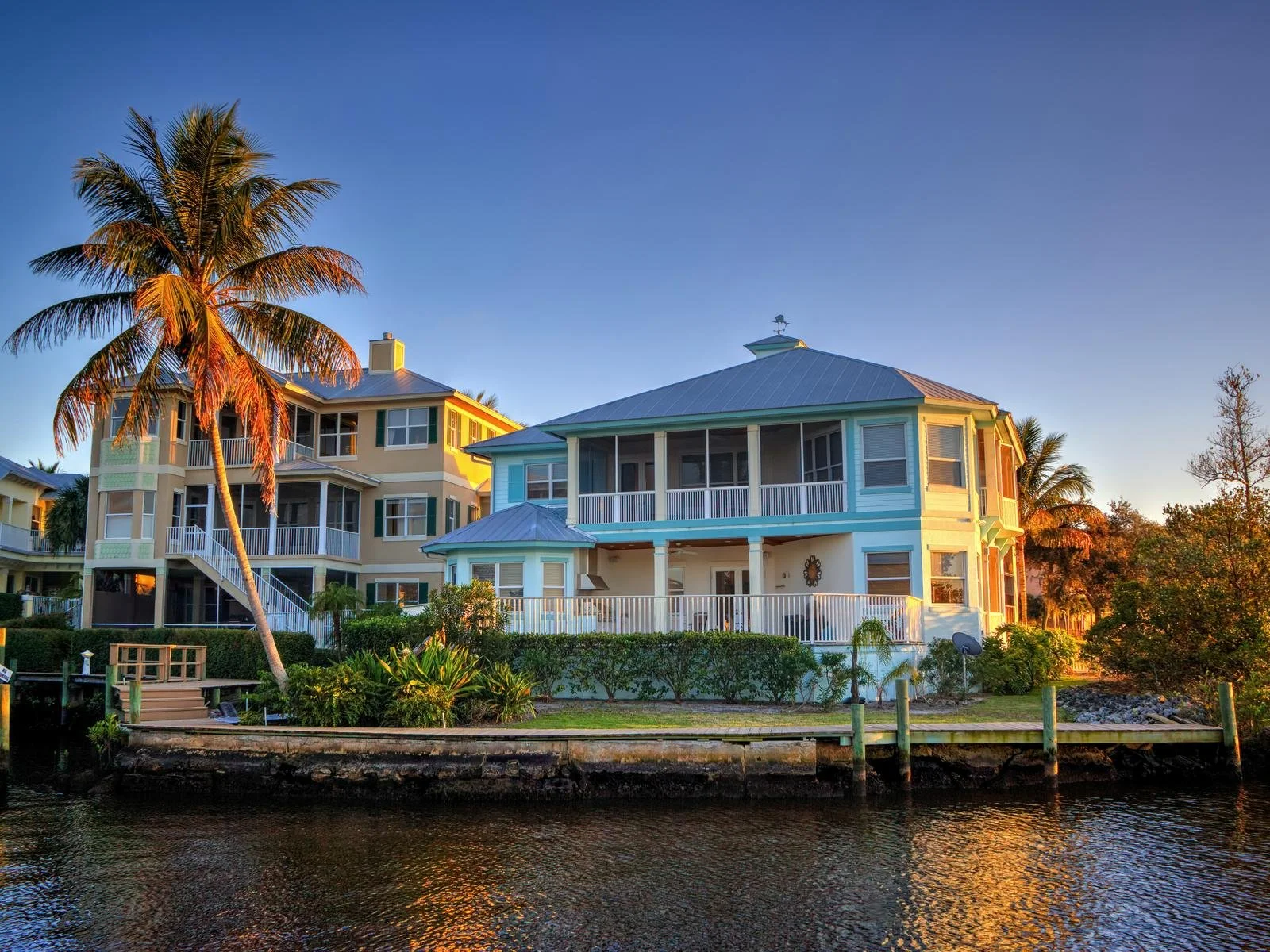
Our office is in Stuart, so Martin County is home for us. Homes here range from older block homes to waterfront homes on the St. Lucie River and the Intracoastal.
Roof age, how close the home is to the water, and your flood zone all shape your options. Each city guide covers the local details.
City guides

Homeowners Insurance in St. Lucie County
Port St. Lucie has many newer concrete block homes, which can help when insurance companies look at a home.
Much of the city sits away from the coast, but flood can still be a risk inland. Flood is always a separate policy.
City guides
Homeowners Insurance in Indian River County
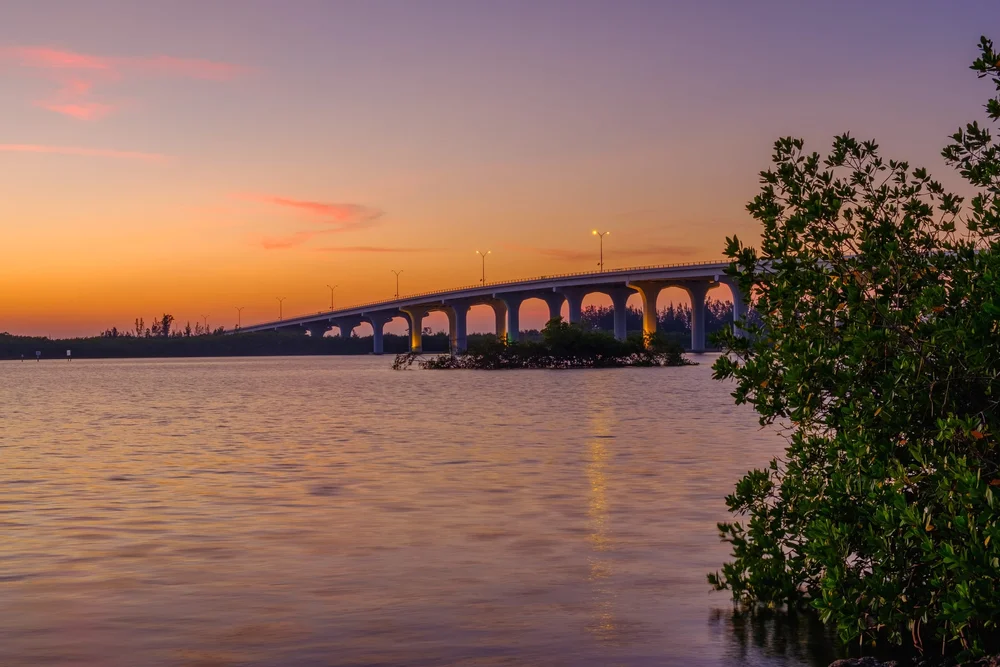
Vero Beach has mainland homes, lagoon-front homes and homes on the barrier island. Where the home sits can change which companies will look at it.
Many homes here are older, so the roof and the 4-point inspection often get a closer look.
City guides
Homeowners Insurance in Northern Palm Beach County
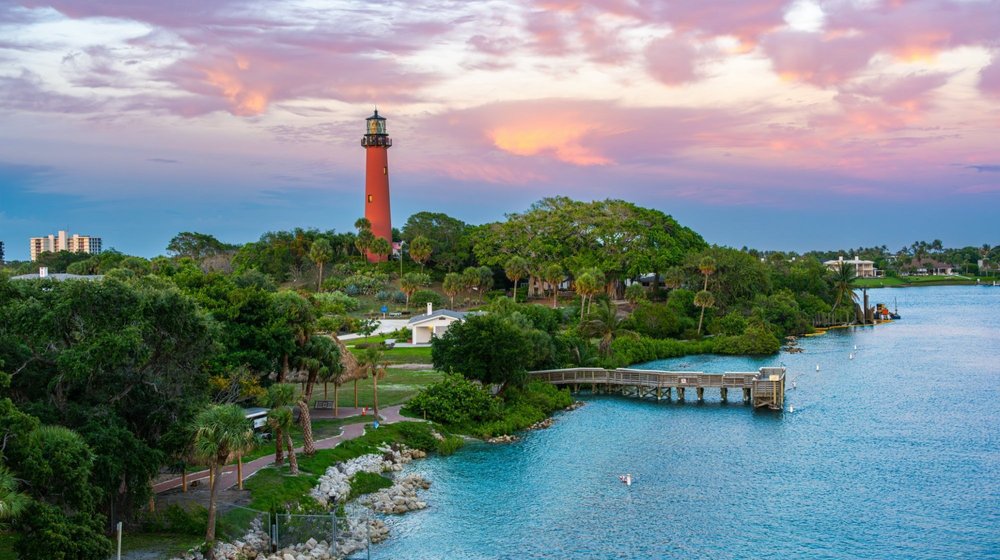
We help homeowners in Jupiter, Tequesta and Palm Beach Gardens, just south of our Stuart office.
Golf communities, waterfront homes and newer builds out west each come with their own questions. Higher-value homes may need a company built for them.
City guides
Outside the Treasure Coast?Show Less
Homeowners insurance in other parts of Florida
We also help homeowners in other parts of Florida where our insurance companies offer coverage. What is open to your home depends on the company, the home and where it sits. Start a Quick Quote or call us to find out. These guides apply anywhere in the state.
Three simple steps
How Getting a Home Insurance Quote Works
Here is exactly what happens when you ask us for a homeowners insurance quote on your Florida home.
Prefer to talk? Call 772-530-5305
-
Tell us about your home
Share your address, the year your home was built, and your roof's age.
If you have a wind mitigation report or a current policy, have it handy.
-
We check the companies that fit
We look at the insurance companies that are open to homes like yours, based on the home, the roof and where it sits.
Not every company will quote every home. Companies also commonly stop writing new policies when a storm threatens Florida, so it is best to shop early.
-
We walk you through it
We send you the most competitive option we find from the companies we check, and walk you through the coverage, the deductibles and the price. You decide.
There is no cost to get a quote and no obligation.
Ready to Get a Quote on Your Florida Home?
Start your Quick Quote online or talk with a local insurance agent at our Stuart office.
Real estate agent with a closing coming up? Ask about quick quotes for your clients.
Manchester Insurance, LLC · 1239 SE Indian St., Suite 101, Stuart, FL 34997 · 772-530-5305 · Monday to Friday, 9 a.m. to 5 p.m.Homeowners Insurance FAQs
Quick answers to the questions Florida homeowners ask us most. For more, see our Florida homeowners insurance FAQs.
How much does homeowners insurance cost in Florida?
It depends on the home. Roof age, the year the home was built, wind mitigation features, how close the home is to the water, and your hurricane deductible all affect the price. The same home can be priced very differently from one company to the next. See what affects home insurance prices in Florida for the 10 factors insurers look at.
How do I know if I have the right amount of coverage for my home?
Your home coverage should reflect what it would cost to rebuild your home, not what it would sell for. The insurance company sets that rebuild amount. Check it on your declarations page each year, and tell us about updates like a new roof, an addition or a remodel so they can be shared with the company.
Do I need a wind mitigation inspection, and is it worth it?
For many Florida homes, it is worth looking into. The report shows features like roof shape, roof-to-wall connections and window protection. Many companies use it when pricing a home, and it may lower your premium. Savings are not guaranteed and depend on your home, the report and the company.
Are my valuables like jewelry or collectibles automatically covered?
Your belongings are usually covered, but many policies set lower limits for items like jewelry, watches, firearms and collectibles, especially for theft. If you own items like these, ask us about scheduling them on your policy.
How do home insurance deductibles work in Florida?
Most Florida policies have two deductibles. The hurricane deductible applies to damage from a hurricane, as your policy defines it. It is often a percentage of your home's coverage. For example, 2% of a $400,000 home limit is $8,000. The all other perils deductible applies to most other covered losses.
Does homeowners insurance cover flooding in Florida?
Generally, no. Flood and rising water are excluded from most homeowners policies. Flood coverage is a separate policy, through the National Flood Insurance Program or a private flood company. Flood policies often have a waiting period before coverage starts, so do not wait for a storm.
Does homeowners insurance cover hurricane damage?
Many Florida homeowners policies include wind coverage, which can include wind damage from a hurricane. Your hurricane deductible, limits and exclusions still apply. Some policies leave wind out, and wind is then bought separately. Storm surge is generally treated as flood, not wind.
Can I buy home insurance when a hurricane is coming?
Usually not. Insurance companies commonly stop writing new policies, and most policy changes, when a storm threatens Florida. Each company sets its own rules, and they often stay in place until the storm passes. The best time to shop is well before a storm.
How often should I review my homeowners insurance policy?
Look over your policy every year at renewal, and any time something changes with your home. A new roof, new windows or shutters, or a remodel can change your coverage needs and your price.
What should I know about insurance inspections for homes in Florida?
Some companies ask for inspections when writing or renewing a policy, especially for older homes. A 4-point inspection looks at the roof, electrical, plumbing and heating and air. Requirements vary by company, and passing an inspection does not guarantee coverage. Read our guide to wind mitigation vs. 4-point vs. roof inspections.
This page is general information, not an offer of coverage or a promise that a claim will be paid. Coverage is subject to each insurance company's underwriting rules and availability. Your policy documents determine the coverage, limits, exclusions and conditions that apply. Manchester Insurance, LLC is an independent insurance agency, not an insurance company.