Manufactured and Mobile Home Insurance in Stuart, FL
Manchester Insurance is an independent agency in Stuart. We help manufactured and mobile home owners across the Treasure Coast see which coverage options fit their home, then walk through the details in plain English.

- Independent agency since 2017
- 40+ carrier appointments
- Local office in Stuart
Insurance Built Around How Your Home Was Built
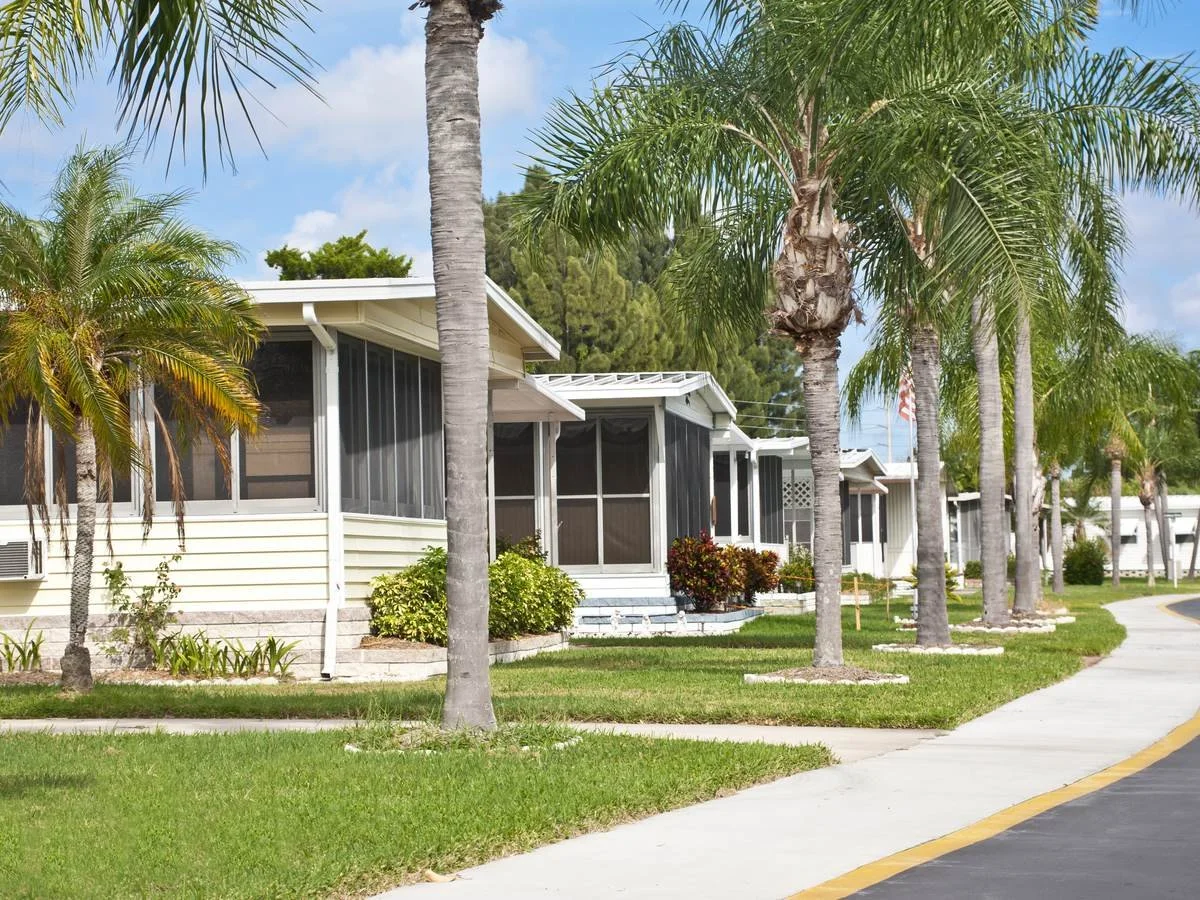
A manufactured home is built in a factory and then set up on your lot. That is a big reason the insurance is different. Many insurance companies look at manufactured homes on their own terms. They ask about the year the home was made, how it is tied down, the roof, and where it sits.
Here on the Treasure Coast, wind is a big part of the picture too. Some insurers write manufactured homes in our area and some do not. The ones that do often have their own rules about home age, condition, and location.
So there is no single price or policy that fits every home. What you can get, and what it costs, depends on your home, the insurer, your location, and other rating factors. Our job is to find the policy that fits your home best and explain what it covers in plain English. We help owners in Stuart, Port St. Lucie, Palm City, and nearby towns.
What Manufactured Home Insurance Can Cover
Most manufactured home policies are built from the same main parts. The details are different from one policy to the next, so think of this as a starting point, not a promise of what your policy includes.
The home itself
Pays to repair or replace your manufactured home after a covered loss, like a fire or a covered wind event. Some policies pay replacement cost. Others pay actual cash value, which takes age and wear into account.
Other structures
Things on your lot that are not attached, like a shed or a detached carport, when the policy includes it. Some policies limit or leave out screen rooms, carports, and aluminum structures, especially for wind.
Your belongings
Furniture, clothes, electronics, and other things you own, up to your policy limit. Some items, like jewelry, may have lower limits unless you add more coverage.
Personal liability
Helps if you are found legally responsible for someone getting hurt or for damage to someone else's property. Some owners add an umbrella policy for higher limits.
Additional living expenses
If a covered loss makes your home unlivable, this can help pay for a place to stay and extra costs while repairs are made. Limits and time frames vary.
Medical payments to others
Small medical bills for a guest hurt at your home, no matter who was at fault. This is usually a low limit, when it is included.
Wind and hurricane coverage
In Florida, wind is the coverage to look at first. Some policies include wind and hurricane coverage. Others leave wind out, and it has to be covered another way. Hurricane losses usually have their own deductible, and it is often a percentage of your home's coverage amount instead of a flat dollar amount.
Deductibles and limits
Your deductible is the part of a covered loss you pay before the policy pays. Many Florida policies have one deductible for hurricanes and another for all other covered losses. Limits are the most a policy will pay. Read both before you choose a policy.
Please note: This page is general information to help you learn. It is not a policy. Your actual coverage, exclusions, limits, and deductibles are set by the policy the insurance company issues.
What Florida Manufactured Home Owners Should Watch
Insuring a manufactured home in Florida takes a little more care. Here is what tends to matter most.
Wind and hurricanes
Manufactured homes are built to federal wind zone standards. Your home's data plate shows the wind zone it was built for. Insurers often ask about it, along with how the home is anchored and tied down.
Roof age and condition
The roof is one of the first things insurers ask about. Age, material, and condition all matter. If your roof has been replaced or covered with a roof-over, keep the dates and paperwork handy.
Home age and updates
The year your home was made matters. So do updates to the electrical, plumbing, water heater, and air conditioning. Some insurers ask for an inspection. Our Florida home inspection guide explains the common ones.
Location
How close you are to the coast, the river, or open water can change which insurers will look at your home and how it is priced. A home near the water and a home farther inland can get very different results.
Flood
Flood is not covered by a standard manufactured home policy. It takes a separate flood policy. All of Florida is in a flood zone. The only difference is whether your zone is high risk or low risk. See our flood insurance page to learn more.
Insurer rules
Each insurance company sets its own rules for which manufactured homes it will write. One may decline a home that another will accept. That is why it helps to work with an agency that knows which insurers to approach for your home.
Manufactured vs. Modular vs. Site-Built Home Insurance
These homes can look alike from the street, but insurers often treat them differently. The way a home is built can change which policy fits it and which insurers will write it.
| Topic | Manufactured home | Modular home | Site-built home |
|---|---|---|---|
| How it is built | Built in a factory on a steel chassis, then moved to the lot. Homes made since June 15, 1976 follow the federal HUD Code. Older units are usually called mobile homes. | Built in sections in a factory, then put together on a permanent foundation at the site. Built to state and local building codes. | Built on the lot from the ground up to local building codes. |
| How you can tell | A red HUD label on the outside and a data plate inside, often in a kitchen cabinet, a bedroom closet, or near the electrical panel. | Building permits and state approval labels. Often hard to tell apart from a site-built home. | Local permits and building records. |
| Typical policy | Often a policy or form made for manufactured homes. | Often written like a site-built home, but the insurer decides. | A standard homeowners policy. |
| Common insurer questions | Year made, wind zone, tie-downs, roof, additions, and whether the home is in a community or on owned land. | Year built, roof, construction details, and updates. | Roof age, wind mitigation features, home systems, and construction. |
| Flood | Needs a separate flood policy. | Needs a separate flood policy. | Needs a separate flood policy. |
General comparison only. The right policy depends on your property and the insurer. Always review the actual policy.
Why Work With an Independent Agency?
A captive agent can only offer policies from one company. As an independent agency, Manchester Insurance holds appointments with 40+ insurance companies. That gives us more places to look for a manufactured home.
We also know that not every insurer wants every home. We know which companies tend to write manufactured homes and which do not, so we only check the ones that fit your home.
Then we send you one option: the best fit we find among the companies we checked. We explain what it covers, the deductibles, the limits, and the price, so you know exactly what you are getting. You do not have to sort through a pile of quotes. Final approval and the policy terms always come from the insurance company.
We are a family-owned agency based in Stuart. When you call, you reach our local team.
Three simple steps
How getting a manufactured home quote works
Here is exactly what happens when you ask us for a manufactured or mobile home quote.
Prefer to talk? Call 772-530-5305
-
Tell us about your home
Share the address, the year the home was made, and whether it sits in a community or on land you own.
If you have the details from your home's data plate, your roof dates, or a current policy, have them handy. Our quote checklist lists the rest.
-
We check the companies that fit
We look at the insurance companies that are writing manufactured homes like yours right now.
Home age, roof, tie-downs, and location all play a part. Not every company will quote every home.
-
We walk you through it
We send you the best fit we find and explain the coverage, the hurricane deductible and the price. You decide. Coverage starts once the insurance company approves it.
There is no cost to get a quote and no obligation.
What to Have Ready Before You Ask for a Quote
You do not need all of this to get started. The more you have, the faster we can tell you what is available.
- The home's address, and whether it is in a community or on land you own
- If you rent the lot, a copy of the lot lease rules about insurance
- Year, maker, and model of the home
- Size, and whether it is single, double, or triple wide
- Serial number and the wind zone from the data plate
- Roof type, age, and any roof-over paperwork
- How the home is anchored and tied down
- Additions like screen rooms, carports, porches, or decks
- Updates to electrical, plumbing, water heater, and A/C, with dates
- Your current policy's declarations page, if you have one
- Lender or lienholder information, if the home is financed
- How the home is used: full time, seasonal, or rented out
- Any past insurance claims
Questions to ask about any policy
- Is wind and hurricane damage covered, and what is the hurricane deductible?
- Does the policy pay replacement cost or actual cash value on the home?
- Are screen rooms, carports, and other structures covered for wind?
- What happens if the home sits empty for part of the year?
- How much liability coverage is included?
- What is not covered at all?
Common mistakes to avoid
- Picking a policy on price alone without checking wind coverage
- Assuming flood is included. It is not. It takes its own policy.
- Leaving out additions or how the home is used
- Not knowing your hurricane deductible in dollars before a storm
- Waiting until a storm is near. Insurers often stop writing new policies when a storm threatens Florida.
Curious about price? Our guide to what affects home insurance prices in Florida explains the main factors.
Local Help From Our Stuart Office
Our office is on SE Indian Street in Stuart. From here we help manufactured and mobile home owners all over Martin County, St. Lucie County, Indian River County, and northern Palm Beach County.
That includes owners in Port St. Lucie, Palm City, Jensen Beach, Hobe Sound, Jupiter, Fort Pierce, and Vero Beach. Our one office is in Stuart, but we can handle your quote by phone or online wherever you are on the Treasure Coast or in northern Palm Beach County. We also help clients in other parts of Florida.
Own a site-built home too? See our local homeowners insurance pages for Stuart, Port St. Lucie, Palm City, Jensen Beach, Hobe Sound, Jupiter, and Vero Beach.
Living in a manufactured home on the Treasure Coast means having a storm plan. Martin County's storm guidance says people living in mobile and manufactured homes should leave when evacuation orders are issued, no matter where the home is. Check Martin County's Know Your Zone page and the state's Plan and Prepare guide before hurricane season.
Visit
Manchester Insurance
1239 SE Indian St, Suite 101
Stuart, FL 34997
Get directions
Call or email
(772) 530-5305
hello@manchesterins.com
Monday to Friday, 9am to 5pm
Who we are
A family-owned independent agency since 2017 with 40+ carrier appointments. About the agency · Meet our team
See what clients say
Read our reviews on Google and our BBB profile. Already a client? Visit the Service Center.
Related Coverage and Guides
Written and reviewed by the licensed agents at Manchester Insurance. Updated November 2026.
Manufactured Home Insurance FAQs
What is the difference between mobile home and manufactured home insurance?
Many people use the two names for the same thing. The real difference is the home's age. Homes built in a factory since June 15, 1976 follow the federal HUD Code and are called manufactured homes. Older units are usually called mobile homes. Insurers often treat the two differently, and many have stricter rules for older mobile homes.
Is manufactured home insurance required in Florida?
It depends on your situation. If your home is financed, your lender will almost always require insurance. If you rent your lot, your community or lot lease may require it too. Even when no one requires it, insurance protects the home, your belongings, and you against liability claims. Check your loan papers and lot lease, and ask us if you are not sure.
How much does manufactured home insurance cost in Stuart, Florida?
There is no single price. Cost depends on the home's age, size, roof, wind zone, tie-downs, location, coverage amounts, deductibles, claims history, and the insurer's own rates. Two homes on the same street can be priced very differently. The best way to know is to request a quote for your home.
Does manufactured home insurance cover hurricane damage?
Some policies do and some do not. Many include wind and hurricane coverage with a separate hurricane deductible, which is often a percentage of the home's coverage amount. Others leave wind out. Flooding from storm surge or heavy rain is not covered by a manufactured home policy. Always check the wind coverage and hurricane deductible before you buy.
Does manufactured home insurance cover flood damage?
No. Flood takes a separate flood policy. All of Florida is in a flood zone. The only difference is whether your zone is high risk or low risk. The National Flood Insurance Program and some private insurers offer flood coverage for manufactured homes that meet their rules, such as being properly anchored.
Can I insure an older manufactured home in Florida?
Often, yes, but your options may be fewer. Many insurers have limits on home age. They may also look closely at the roof, tie-downs, and updates to the electrical, plumbing, and water heater. An inspection may be needed. Good records of repairs and updates can help.
Can I insure a manufactured home in a coastal area?
It can be possible, but it can be harder. Homes close to the coast or open water face more wind risk, so some insurers will not write them, and others may leave wind coverage out or charge more. Your exact address matters, so tell us where the home is when you ask for a quote.
What information is needed to request a quote?
Start with the address, year, maker, size, and how you use the home. It also helps to have the roof age and type, tie-down details, the wind zone from the data plate, any additions like screen rooms or carports, recent updates, past claims, and your current declarations page. You can start with just the basics.
Can an independent insurance agency compare manufactured home insurance options?
Yes. An independent agency like ours works with more than one insurance company. We check the insurers that may accept your home and send you the one that fits best, then explain its coverage, deductibles, limits, and price. Not every insurer will write every home, and policies are not always built the same way, which is why we do the checking for you.
Is insurance available for a manufactured home used seasonally or as a vacation property?
Often, yes. Seasonal homes are common on the Treasure Coast. Tell us how the home is used, because it matters. Some policies limit coverage when a home sits empty for a long time, and renting the home to others can change the coverage you need.
Want to read more? See the Florida Department of Financial Services consumer insurance guides and FloodSmart's guide to finding your flood zone.
Let's Look at Your Manufactured Home Together
Tell us about your home and we will let you know what is available. No pressure, just clear answers from a local team.
Manchester Insurance · 1239 SE Indian St, Suite 101, Stuart, FL 34997 · Monday to Friday, 9am to 5pm