


Independent agency · Serving Hobe Sound
Homeowners Insurance in Hobe Sound, FL
From Intracoastal homes and golf community villas to cottages near Hobe Sound Beach, our Stuart team checks the carriers that are a fit for your home and brings you the most competitive option we find.

- Independent agency since 2017
- 40+ carrier appointments
- Local office in Stuart
Homeowners insurance for every kind of Hobe Sound home
Hobe Sound is a small town with a big mix of homes. A beach cottage near Bridge Road, a villa in a golf community and a custom home on Jupiter Island can sit just a few miles apart. Insurance companies look at each one in a different way.
The home's location, age, roof, construction and hurricane protection, plus the coverage you need, can all change which insurance companies are available and what they charge.
- Waterfront and Intracoastal homes
- Canal-front properties
- Older homes and beach cottages
- Golf course and gated community homes
- Villas and townhomes
- Custom and high-value homes near Jupiter Island
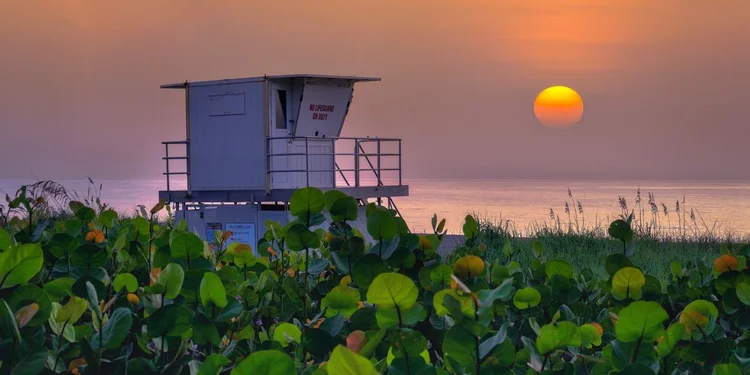
Different Hobe Sound homes need different insurance considerations
Pick the type of home closest to yours. Each policy and insurance company is different, so think of this as a starting point for a conversation.
Waterfront and canal-front homes
Homes on the Intracoastal Waterway and Hobe Sound's canals come with great views and a few extra questions. Wind and water both matter here.
Worth reviewing
- Windstorm coverage and your hurricane deductible
- Flood exposure and a separate flood insurance policy
- Docks and boat lifts
- Seawalls and other shoreline structures
- Other structures coverage limits
- Personal liability limits
Docks, lifts and seawalls are not automatically covered. Some policies limit or exclude them, so it helps to check how each policy treats them.
Keep a boat at the dock? See our boat insurance page.
Golf and gated communities
Communities like The Medalist, Loblolly, Lost Lake and Heritage Ridge can include single-family homes, villas and townhomes. A single-family home is usually insured on its own. A villa or townhome may share coverage with the HOA master policy.
Worth reviewing
- Your HOA master policy documents
- Loss assessment coverage
- Dwelling and personal property coverage
- Liability coverage
- Umbrella insurance, where it fits
Every HOA is different. Read your association documents to see what the master policy covers and what you are expected to insure.
Older homes and beach cottages
Some of Hobe Sound's older homes sit near the beach and in Zeus Park. Many have been updated over the years. Insurance companies want to know what was updated and when.
Insurers may review
- Roof age and condition
- Electrical system
- Plumbing
- HVAC (heating and cooling)
- Past updates and permits
- Four-point inspection results, if requested
An older home is not automatically hard to insure. Roof age alone does not decide insurability, but it can limit which companies are available. Requirements vary by carrier.
Jupiter Island and high-value properties
Custom homes, fine finishes and valuable belongings can cost more to rebuild and replace. Some of these homes fit a specialized high-value homeowners policy better than a standard one.
Worth reviewing
- Higher dwelling limits
- Custom construction and finishes
- Fine art, jewelry and other valuables
- Additional liability protection
- Flood coverage
Not every Jupiter Island home needs a high-value policy, and not every home qualifies for one. It depends on the home and the insurance company.
Learn more about high-value home insurance.
Condos, villas and townhomes
What you need to insure depends on what you own and what the association insures. The association's master policy covers some parts of the property. Your own policy is meant to cover your share.
Worth reviewing
- Your ownership structure and HOA or condo documents
- The parts of the unit or building you are responsible for
- Your belongings and liability
- Loss assessment coverage
See how unit owner coverage works on our condo insurance page.
Own a manufactured home in the area? See our manufactured home insurance page.
Compare insurance considerations by property type
A quick look at what insurance companies may focus on for each kind of Hobe Sound home.
| Type of Hobe Sound property | What insurance companies may review | Coverage worth discussing |
|---|---|---|
| Intracoastal or canal-front homes | Distance to water, flood zone, elevation, docks and seawalls | Flood, other structures, liability, umbrella, boat |
| Golf and gated community homes | Roof age, construction, HOA master policy terms | Loss assessment, HO-3 or HO-5, umbrella |
| Villas and townhomes | What the HOA insures and what you insure | HO-6 or HO-3 depending on HOA documents, loss assessment |
| Older homes and beach cottages | Roof age and condition, four-point results, electrical and plumbing updates | Wind mitigation credits, water damage coverage, ordinance or law |
| Jupiter Island and high-value estates | Custom construction, rebuilding cost, contents values, protection features | High-value policy, scheduled valuables, flood, umbrella |
This is a general guide. Each insurance company has its own underwriting rules, and none of these coverages is guaranteed to be available for a specific home.
What does a homeowners insurance policy cover?
A homeowners policy has several parts. Each part pays for covered losses up to its limit. Limits, exclusions and conditions vary by policy, so your own policy's wording matters most.
Dwelling coverage
Helps repair or rebuild your house after a covered loss.
Other structures
Things not attached to the house, like a fence, shed or detached garage. Docks, seawalls and screen enclosures may be limited or excluded, depending on the policy.
Personal belongings
Furniture, clothes, electronics and more. Jewelry, art and collections may have lower limits unless they are listed separately.
Additional living expenses
If a covered loss makes your home unlivable, this helps with extra costs like a hotel and meals while repairs are made.
Personal liability
Helps if you are legally responsible for someone else's injury or property damage. Many policies also help with legal defense costs, subject to the policy terms.
Medical payments to others
Helps pay smaller medical bills if a guest is hurt at your home, up to a set limit.
HO-3, HO-5, HO-6 and high-value policies
These are common types of policies. Each insurance company writes its own version, so the details can differ even when the name is the same.
- HO-3
- The most common type for single-family homes. It usually covers the house for any cause of loss that is not excluded, and covers belongings only for the causes the policy lists.
- HO-5
- Usually covers both the house and belongings for any cause of loss that is not excluded. It can be broader, but it is not the right fit for every home or budget, and not every home qualifies.
- HO-6
- Commonly used by condo unit owners. What it needs to cover depends on the association documents and what you own. Some villa and townhome owners need a different policy type. See condo insurance.
- High-value home policy
- Built for custom and higher-value homes. These policies may offer higher limits and specialized coverage features. See high-value home insurance.
Standard homeowners, condo and high-value home policies do not automatically cover flood damage. Separate flood insurance may be needed.
For a broader look at coverage, visit our main homeowners insurance page.
Hurricanes, wind coverage and deductibles
In Hobe Sound, the hurricane part of your policy deserves a close look before storm season.
Is wind covered?
Many Florida homeowners policies include windstorm coverage, but not all do. Some policies exclude wind, and a separate wind policy may be needed. Your declarations page and policy show what is included.
How a hurricane deductible works
Many policies have a separate hurricane deductible. It applies to covered hurricane damage and is often higher than the deductible for other losses. Your policy explains when it applies.
Percentage or flat dollar?
A percentage deductible is based on your dwelling (Coverage A) limit, such as 2%, 5% or 10%. A flat-dollar deductible is a set amount. The choices depend on the insurance company and policy.
Illustration only
In this example, you would pay the first $12,000 of a covered hurricane loss. Your numbers and policy terms will be different. Know your deductible before hurricane season, since new policies and coverage changes are often put on hold once a storm threatens.
Wind mitigation features, such as impact windows, shutters and stronger roof connections, may qualify for credits depending on the insurance company and its rules. Credits are not guaranteed. See inspections and wind mitigation below.
Flood insurance in Hobe Sound
Flood risk is different for every property. Location, elevation and nearby water all play a part, and flooding can happen outside high-risk FEMA flood zones.
Standard homeowners insurance generally does not cover flood damage from rising water. Flood water can come from:
- Storm surge from the ocean and the Intracoastal
- Heavy rain
- Drainage problems
- Nearby canals, lakes and waterways
A separate flood policy may be needed. We can help you compare National Flood Insurance Program (NFIP) and private flood options where they are available. Flood policies often have a waiting period before coverage starts, so it is best not to wait for a storm.
An elevation certificate shows how high your home sits. It may be useful for pricing flood coverage on some properties.
Flood zone and evacuation zone are not the same
FEMA flood zone
Set by FEMA flood maps. Used for flood insurance and building rules. Zones have labels like X, AE or VE.
Hurricane evacuation zone
Set by Martin County based on storm surge. It tells you when to leave during a storm. It does not set your flood insurance needs.
A home outside a high-risk flood zone can still flood. A home outside an evacuation zone can still have flood risk.
Inspections, roof age and wind mitigation
Three inspection topics come up often. They do different jobs.
Four-point inspection
Looks at four main parts of the home: roof, electrical, plumbing and HVAC. Some insurance companies ask for one, often on older homes. Requirements vary, and not every older home needs one.
Roof condition
Insurance companies may look at roof age, condition, permits and proof of replacement. Rules differ by company. Keep your roof permit and replacement paperwork handy.
Wind mitigation inspection
Documents features that help a home stand up to wind. Qualifying features may help you receive wind mitigation credits. Savings are not guaranteed.
What a wind mitigation inspection documents
- Building code year. When the home was permitted and which building code applied.
- Roof covering. The roof material and whether it meets the wind standards on the form.
- Roof deck attachment. How the roof sheathing is fastened to the trusses.
- Roof-to-wall connection. Toe nails, clips, single wraps or double wraps.
- Roof geometry. The roof shape, such as hip or gable. Hip roofs often rate better.
- Secondary water resistance. A sealed layer under the roof covering, often added during a roof replacement.
- Opening protection. Impact-rated windows and doors or shutters. Partial protection may not count.
About Florida Form OIR-B1-1802. The current version, Rev. 04/26, must be used for inspections done on or after April 1, 2026. It adds fields for design wind speed region and roof slope, a place to note FORTIFIED Home certificates, and supporting photos.
A report done on the older form before April 1, 2026 may still be usable for up to five years if the home has not changed, but each insurance company decides what it accepts. If you have an older report, send it with your quote request and we can check which version of the form it is on.
Florida's My Safe Florida Home program has offered free inspections and grants to eligible homeowners. Funding and eligibility change, so check the program's website for current availability.
For a deeper look, read our guide to Florida home insurance inspections.
What affects the cost of homeowners insurance in Hobe Sound?
There is no single price for a Hobe Sound home. These are some of the main things that can change a quote.
- 01Roof age and condition
- 02Year the home was built
- 03Construction type
- 04Distance to the coast or waterways
- 05Wind mitigation features
- 06Flood exposure
- 07Claims history
- 08Coverage limits
- 09Deductibles
- 10Property features and rebuilding cost
Two homes that look alike can get very different quotes. Each insurance company has its own underwriting guidelines and pricing. Our guide explains what affects home insurance prices in Florida in more detail.
Why Hobe Sound homeowners work with Manchester Insurance
- Family-owned and independentA family-owned independent agency serving homeowners since 2017.
- Local Stuart office1239 SE Indian St., Suite 101, Stuart, FL 34997, a short drive up US-1 from Hobe Sound.
- More than 40 carrier appointmentsAcross all the insurance we offer. Not every carrier writes homeowners insurance, and not every carrier writes every kind of home.
- The right carriers for your homeWe compare the carriers that are available and appropriate for your property, not a one-size-fits-all list.
- Plain-language explanationsWe help explain coverage differences, deductibles and exclusions so you can make an informed choice.
- Renewal and non-renewal helpWe help review renewal increases and non-renewal notices and look at what other options may be available.
- Buying a home?We can help coordinate insurance with your lender and closing agent. Working with a realtor? They can send us your details.
Independent agency
Works with several insurance companies and can compare options across the ones that fit your home.
Captive agent
Represents one insurance company and offers that company's options. Many captive agents provide great service. The main difference is the number of companies available.
Nearby communities we serve
Hobe Sound is our focus here. If your home is nearby, these pages may help:
From our quoting desk
What we're seeing in Hobe Sound right now
Updated November 2026
- Older homes near the beach and in Zeus Park. Roof age and a current four-point inspection come up first. Sending a recent inspection report with your request cuts down the back and forth.
- Waterfront and Intracoastal homes. These often need more than one market for the home, plus a look at flood coverage and how docks and seawalls are treated.
- Jupiter Island and high-value homes. Some fit a high-value carrier better than a standard homeowners policy, so we often look at both paths.
- Golf and gated communities. The most common question is who covers what between the HOA master policy and your own policy, especially for villas and townhomes.
- Seasonal homes. Months away from the home can affect coverage. Tell us how long the home sits empty each year so the policy matches how you use it.
These are general observations from our recent quoting experience. They are not a prediction of what any insurance company will offer on your home.
Three simple steps
How to get a Hobe Sound homeowners insurance quote
Here is what happens when you ask us to quote your Hobe Sound home.
Prefer to talk? Call 772-530-5305
Real estate agent? Use our realtor quote request.
-
Send us the basics
The property address, year built, roof replacement year and your current declarations page, if you have one.
In a golf or gated community, HOA documents help. For a waterfront home, existing flood information or an elevation certificate helps.
-
We compare available options
We review the carriers that are appropriate for your home and compare coverage, deductibles, exclusions and price.
Not every company will quote every home, so it helps to start early.
-
Review your options
We send you the option that fits best among the companies we checked and walk you through its coverage, deductibles, exclusions and price. You decide.
There is no cost to get a quote and no obligation.
What should I have ready for my Hobe Sound home quote?
Check off what you have. Missing something? You can still request a quote.
0 of 7 ready
This list is for your planning only. It does not affect eligibility, pricing or savings.
Hobe Sound homeowners insurance FAQ
How much does homeowners insurance cost in Hobe Sound, FL?
It depends on the home. Roof age, year built, construction, distance to the water, wind mitigation features, claims history, limits and deductibles all affect the price. We don't publish average prices because two similar homes can be quoted very differently. See what affects home insurance prices in Florida.
Does homeowners insurance in Hobe Sound cover hurricane damage?
Often, but not always. Many policies include windstorm coverage with a separate hurricane deductible. Some policies exclude wind, and flood damage from storm surge is not covered by a standard homeowners policy. Check your declarations page or ask us to review it.
Do I need flood insurance if my Hobe Sound home is not on the water?
It is worth considering. Flooding can come from heavy rain and drainage problems, not just the ocean or Intracoastal, and it can happen outside high-risk flood zones. A lender may require flood coverage in some zones.
Can I get homeowners insurance on an older home in Hobe Sound?
It depends on the home. Options depend on the roof, electrical, plumbing, HVAC and past updates. Some insurance companies ask for a four-point inspection. Documented updates and a newer roof can open up more options, but availability is never guaranteed.
What is a wind mitigation inspection, and can it lower my premium?
It documents features that help your home resist wind, like roof-to-wall connections and opening protection, on Florida Form OIR-B1-1802. Qualifying features may earn credits, depending on the insurance company. It can lower a premium, but savings are not guaranteed.
How do you insure a waterfront home on the Intracoastal or a canal?
Usually with a homeowners policy plus separate flood coverage. We also look at how the policy treats docks, lifts and seawalls, your other structures limit and your liability limits. A boat kept there usually needs its own boat policy.
Do you insure homes on Jupiter Island?
We help Jupiter Island homeowners look at their options. Some homes fit a high-value policy, and others may fit a standard policy. It depends on the home, its value and each insurance company's guidelines. See high-value home insurance.
Is a home in a gated or golf community insured differently?
It can be. A single-family home is often insured like any other home. A villa or townhome may share coverage with the HOA master policy, so your documents decide what your own policy needs to cover. Loss assessment coverage is worth a look.
What should I do if my insurance company sends a non-renewal notice?
Act early. Note the date your coverage ends and the reason given. Send us the notice, your declarations page and any recent inspections, and we will look at what other options may be available. More time usually means more choices.
Should I consider umbrella insurance if I have a pool, dock or boat?
It is worth discussing. Pools, docks, boats and frequent guests can raise your liability risk. An umbrella adds liability limits above your home, auto and, in some cases, boat policies. Insurance companies usually require certain underlying limits. See umbrella insurance.
What is the difference between an HO-3 and HO-5 policy?
An HO-3 usually covers the house for any cause not excluded, but covers belongings only for listed causes. An HO-5 usually covers both the house and belongings for any cause not excluded. An HO-5 is not automatically better for every home, and wording varies by insurance company.
What information do I need to get a homeowners insurance quote?
Start with the address, year built, roof replacement year and your current declarations page. A four-point inspection, wind mitigation report, HOA documents or elevation certificate can help if you have them. Start your quote here.
Helpful insurance terms
Coverage A
Your dwelling limit. It is the most the policy pays to repair or rebuild the house after a covered loss. It should reflect the cost to rebuild, not the sale price. If your policy has a percentage hurricane deductible, it is usually figured from this number.
All other perils deductible
The deductible for most covered losses that are not hurricane losses, like a kitchen fire. It is usually a flat amount, such as $1,000 or $2,500, and it is separate from a hurricane deductible.
Loss assessment
Helps pay your share when your HOA or condo association bills owners for a covered loss to shared property. The included limit is often small. Coverage depends on the policy.
Ordinance or Law
Helps pay, up to its limit, the extra cost of repairing or rebuilding to current building codes. This can matter for homes built before the Florida Building Code took effect in 2002.
Screen enclosure coverage
Some policies limit or exclude hurricane damage to screen enclosures and pool cages unless coverage is added. If yours would be costly to replace, ask how each quote handles it.
Elevation certificate
A document prepared by a licensed surveyor or engineer that shows how high your home's lowest floor sits compared with expected flood levels. It may help with flood pricing for some properties. Martin County may have one on file. Check the county's flood zone page.